Picture a cosy pub in Bristol, England, on a cold November evening. A group of Queensland Reds supporters, thousands of kilometres from Ballymore, are settling in for a quiet pint and a meal, their maroon jerseys unmistakable in enemy territory. Then the door opens, and the Head Coach pulls up a chair. This was the 2025 Reds Supporter Tour to the UK with Gullivers, in the first year of our partnership.
"Having a quiet pint with our Head Coach in a cosy pub in Bristol, now that's special," says Pete Fairbairn, Head of Commercial and Consumer at Queensland Rugby Union.
That exact moment never appeared in a brochure as part of the campaign. And you can't put a quiet pint in a rights package. However, the right partnership makes room for it to happen.
So how do you build a partnership in a sponsorship arrangement where the club, the travel company and most importantly, the fan all win?

As we prepare to take Reds supporters to Great Britain and Italy in November 2026, I sat down with three people who understand sports travel partnerships through a sponsorship lens. One sells the rights package, one has spent a career working alongside the travel teams that invest in them, and the other carries four decades of delivering sports tours on his resume. Put them in different seats at the negotiating table, and they'd still be reading from the same page. Gotta love when that happens.
Pete Fairbairn is the man who decides who gets trusted with the Reds' most passionate supporters. Every commercial conversation at QRU runs through him and through the club's values of Quality, Respect and Unity.
Dwayne Birtles has spent his career on the other side of that conversation. As former CMO of TripADeal and with a long history at Flight Centre, and now consulting with us at Gullivers, he sat on the brand and marketing side of major NRL, AFL and cricket sponsorships, working with decision-makers to understand which sporting properties were worth a travel brand's investment. Today, as a fractional CMO, he's distilled those years into his consultancy and development framework SPARK, which he uses with clients, including Gullivers, to assess whether a partnership opportunity is worth signing.
And Mike Jones, The Gullivers Events General Manager, who has spent four decades on the ground delivering the tours the other two negotiate.
When I placed their answers side by side, what emerged was a shared anatomy of a winning partnership in a sports sponsorship setting.
The logo and the lived experience.
A logo borrows the brand. A travel partner takes custody of the fans. It was the first thing all three agreed on, although none of them knew the others had said it.
“A sports sponsorship doesn't create value because your logo appears on a jersey or around a stadium. It creates value when it gives your brand permission to become part of the fan experience,” says Dwayne".
He asserts that the strongest commercial outcomes aren’t just about exposure, but include exclusive travel products, player access, content opportunities, competitions, hospitality and customer experiences that can be activated across the business, and this is where the real value is created.
But let's not write the logo's obituary just yet. We all know brand awareness has always been part of the game, and research in performance marketing backs it up. A Tracksuit and TikTok study found brands with 40% awareness converted 43% more efficiently than those at 30%, with the highest-awareness brands converting at nearly three times the rate of the least known. So does that mean that if people don't know your brand exists, even the cleverest activation has to work twice as hard? Does awareness open the door and what happens next decides whether anyone walks through it?
“Signage and jersey placement sit at the top of the funnel. They build awareness and normalise the brand presence. On their own, they rarely convert anyone. A supporter tour sits much further down, close to the transaction, because it takes fans' existing emotional connection and turns it directly into a travel product. Branding creates demand. Activation converts it into revenue,” Dwayne suggests."
So the supporter tour is the trophy asset, then? Not quite, Dwayne cautions.
“I wouldn’t call direct product integration automatically the most valuable asset in isolation because it only performs when the awareness layer has done its job. A supporter tour from a brand nobody knows will almost always underperform. The strongest partnerships don’t rely on one asset. They make every asset work together to move customers from awareness to consideration and ultimately to purchase.”
Here's how to think about it. A jersey logo is seen for eighty minutes. Yet a supporter tour is lived in for two weeks. Every flight, every hotel, every match-day transfer is a direct reflection on both the travel company and the club. The logo earns the introduction, and the tour makes the friendship. This is why travel sits apart from every other sponsorship category. On a supporter tour, fans don't just see the brand, they live it.

An act of trust
Handing your most devoted supporters to another company for two weeks isn't a sponsorship decision, it's an act of trust. And Pete doesn't take that lightly.
"It's a genuine three-way partnership with us both and the supporter," he says. "If any of us don't uphold our end of the bargain, all the individual relationships within will be damaged."
That's the three-way handshake: the club, the travel partner and the fan. It's the highest-trust, highest-stakes form of sports partnership there is, which is exactly why, done well, it's the most powerful.
“We trust Gullivers immensely," Fairbairn says. "That is why we partner with them."
So what does earning that trust actually take? For the Gullivers view, I turned to the man who's been building it longer than anyone. Mike Jones, our General Manager of Events, who has spent more than 40 years in sports travel.
“Trust isn't created by one successful tour," he says. "It's earned over time by consistently delivering, communicating openly and being there when it matters most."
He suggests the strongest partnerships are not only built on trust but on longevity and a shared vision of success.
“The strongest partnerships are the ones where both organisations genuinely want the other to succeed," Jones said. "If supporters come home smiling, and the club is proud to have their name alongside yours, you've done your job”.
Dwayne has a similar view, suggesting that sponsorship "behaves much more like a long-term brand investment than a media buy" and that "familiarity, trust and preference take time to build." In his experience, the real commercial value compounds over multiple seasons, not multiple months.
The anatomy: what both sides test for.
At Gullivers, every partnership passes through our six pillars before we shake hands:
Client/customer-focused
Innovative
Adaptable
Collaborative
Integrity and authenticity
Community-minded
When I put Pete and Dwayne's answers side by side, they were each running their own version of the same test. For Pete, the filter is the club's values.
“We will never engage with an organisation we don't believe aligns with those values," he says and remarkably, the knife cuts both ways. "We will never sign off on a commercial partnership that is a better 'deal' for one party. If the partner is not willing to pay what the deal is worth, we will respectfully advise that we're unable to move forward."
Dwayne pressure-tests the same principle from the brand side, scoring both parties through his framework. If the rights holder's return doesn't clear a similar bar, he says, "the deal isn't balanced, it's just one party being polite about it."
So how do you actually test for a win-win approach? This is where Dwayne's SPARK framework comes in, scoring every opportunity across five pillars: Strategic Fit, Commercial Impact, Audience Access, Risk & Readiness, and Goodwill.
His sharpest test is who carries the execution risk.
"If we're funding the activation, creating the content and carrying the commercial risk while the rights holder simply provides inventory, that's not a true partnership. It's a media buy with a sponsorship label."
Ouch. But he's right, and it's a line worth airing before any partnership negotiation. And the traps to avoid?
Dwayne names two that he sees brands fall into again and again. The first is mistaking reach for relevance.
“Watching a game and planning a holiday are two very different mental states," he says, and “a logo in front of millions means nothing if that audience doesn't travel, which is why audience fit sits at the heart of being genuinely client-focused.”.

The second is treating the signing as the finish line.
"Winning the rights is the beginning, not the end." He suggests that the real work is in the collaboration, the activation, the showing up season after season, which starts the day after the announcement.
This brings it all back to integrity and authenticity, and the question Pete offers anyone weighing up a travel partnership: "Would we be proud to have our members and fans travelling with this partner?”.
The runway to 2032
If there was ever a moment to get sports travel partnerships right, it's now. Sports tourism accounts for one in every ten travel dollars spent worldwide, according to UN Tourism and the World Economic Forum values it at more than US$600 billion, growing at 16% a year and forecast to top US$1.7 trillion by 2032, making it one of the fastest-growing sectors in global travel.
Closer to home, Expedia research shows 82% of Australians say they're planning a sports-focused trip in the next year, and travelling fans on the 2025 British & Irish Lions tour pumped more than $130 million into the NSW visitor economy.
Rugby fans, it turns out, travel in serious numbers, something we've seen firsthand, having taken travellers to every Rugby World Cup since the tournament began as well as many international matches for 40 years. And with the green and gold decade of major events building toward Brisbane 2032, Dwayne's advice is to think in longer arcs than the industry is used to.
“The brands that wait until 2030 will be paying premium prices to compete for attention. The brands that start now will already have trust, audience data and commercial momentum by the time Brisbane 2032 arrives."
His parting advice for anyone eyeing their first partnership? "Score it before you fall in love with it" and negotiate on rights, not price, because the biggest commercial gains come from access, exclusivity and opportunities to bring the partnership to life, not from a discount.
The finished experience
People often see the finished experience, but they rarely see what goes into creating it.
"Every successful tour is built on months of planning, strong relationships and an experienced team that understands the importance of every detail," Mike says. "Our job is to make everything look effortless, because when it does, our guests are free to simply enjoy the experience."
That quiet pint in Bristol looked spontaneous. However, the effortlessness behind it was curated and co-created. Pete saw it from the club's side of the partnership. An itinerary designed to hit the mark for the veteran of many rugby tours and the once-in-a-lifetime traveller alike, layered with, as he puts it, the kind of "over and above" access that never had to appear in the brochure.
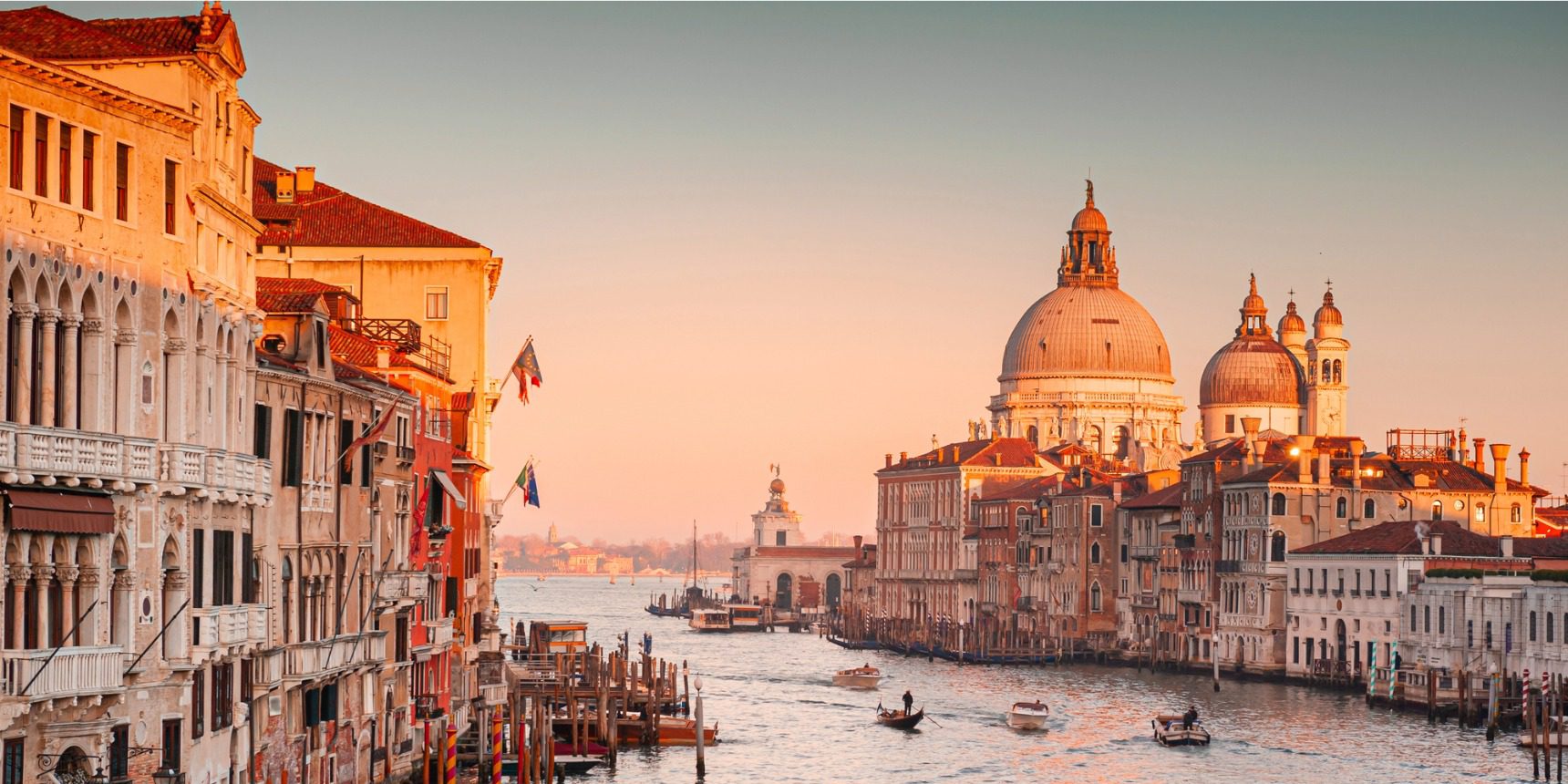
Now the three-way handshake heads to Great Britain and Italy in November.
“The tour has all the ingredients to become a very special one," Mike says. "Great rugby, incredible destinations and the opportunity for supporters to share an experience they'll remember for years." That's a big call from a man with four decades of tours to compare it against but then, he's watched everything else change and one thing holds.
"The technology has changed, the destinations have changed and even the way people travel has changed. One thing hasn't. People still travel to create memories with the people who matter most."
Somewhere in Great Britain or Italy in November 2026, a Reds supporter will settle into another cosy pub in their maroon jersey, in another moment that never appeared in a brochure might just happen. That's what a winning partnership builds.
Pete's question “Would we be proud to have our members and fans travelling with this partner?” has already been answered. The Reds are boarding the plane and the tour is selling fast.
Or as Mike puts it, the closest thing this industry has to a definition of success is "If supporters return home with stories they'll still be telling years from now, then we've done exactly what we set out to do.”



Contact Us

Make a Tour Enquiry
A tour caught your wanderlust?
We’ll send you all the details.

Ask a Question
We're here to answer all your questions.

Speak to Us
Talk to our friendly team.