
A Journey into the Soul of Korea
Meet Chef Chung Lee
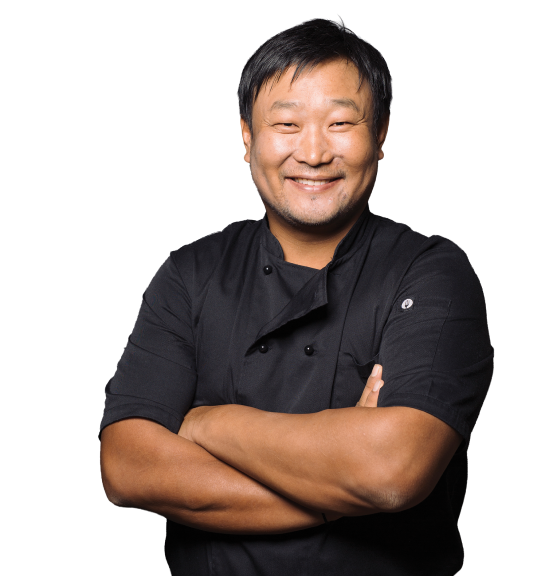
There are places you visit, and places you truly taste. South Korea belongs firmly in the second category. For Chef Chung Lee, this journey is personal. It reflects the flavours he grew up with, the markets he remembers, and the traditions that shaped his life in food. Through his eyes, travellers experience an immersive Korea that moves beyond the expected highlights into neighbourhood kitchens, regional specialities and everyday rituals of wellbeing.
Read on to discover Korea as he knows it. Generous, seasonal and deeply rooted in tradition, it continues to inspire the dishes he serves at his cafe Seoul Sisters in Adelaide and the stories he shares with wider audiences through appearances on Food Safari with Maeve O'Meara, Everyday Gourmet with Justine Schofield and The Cook Up with Adam Liaw.
1. You describe this journey as a way of experiencing Korea through food. How does cuisine open a deeper understanding of Korean culture and history for travellers?
Food is one of the most direct ways to understand Korea because every region tells its own story through flavour. Climate, geography and history have shaped distinctive local dishes across the country. In Seoul, for example, you can move effortlessly between vibrant street food stalls and small Michelin-recognised noodle houses that locals have loved for generations. Travelling with someone who knows these neighbourhoods personally means stepping beyond the obvious. You find the hidden places, the long-standing family kitchens and the dishes people grew up with. That is where Korea becomes real.
2. This tour blends street markets, cooking classes, and iconic destinations. What are some of the food traditions or ingredients that tell the real story of Korea that will be explored on this tour?
One of the most memorable discoveries for guests is the depth of flavour found in Korea’s fermented ingredients. In Gwangju, for example, the local chilli paste is extraordinary. It is layered, complex and central to so many regional dishes.
Understanding how ingredients like this are made and used opens a window into Korea’s seasonal rhythms, its respect for preservation techniques and the way families have cooked for centuries.

“Travelling with someone who knows these neighbourhoods personally means stepping beyond the obvious. You find the hidden places, the long-standing family kitchens and the dishes people grew up with”.
3. Many people know Korean cuisine through dishes like kimchi or bibimbap. What culinary discoveries might surprise travellers the most on this journey?
Seoul’s street food often surprises people most. You might find freshly grilled lobster, warm hotteok filled with molten brown sugar, or fruit that tastes sweeter and more fragrant than expected.
Korean strawberries in particular are remarkable and available much of the year. Melons and seasonal fruits are beautifully presented and naturally sweet. These simple pleasures often become some of the most memorable tastes of the journey.
4. You’ve built your career in Australia while remaining deeply connected to your Korean heritage. What does it mean for you personally to lead travellers through the places that shaped your food story?
It means a great deal to me. This journey allows me to share the Korea I grew up with and the flavours that shaped my life as a chef.
Introducing guests to the food I love, the markets I remember and the traditions that influenced my cooking is something I feel very proud to do. It is a personal experience as much as a culinary one.
5. Traditional street markets play a big role in this itinerary, from Namdaemun to Jagalchi in Busan. What makes Korean street markets such an essential part of understanding the country’s food culture?
Traditional markets are still at the heart of Korean daily life. Many stallholders are older women selling vegetables they harvested that very morning, and shopping there supports these communities directly.
Markets like Namdaemun are also places of discovery. Alongside fresh produce, you will find handmade goods, stunning Hanguk silk bags and traditional kitchen tools such as chopsticks to add to your collection. Walking through these spaces gives travellers a genuine connection to everyday Korean culture.

6. Cooking alongside you in private classes is a highlight of the tour. What do you hope guests take away from preparing Korean dishes themselves?
Most importantly, I hope guests enjoy themselves and feel confident cooking Korean food when they return home.
Together we prepare a complete Korean barbecue experience from sauces and side dishes to different meats and flavours. It becomes something people can recreate and share with family and friends long after the journey ends.
7. The tour also includes experiences like tea ceremonies, walks through green tea plantations temple visits and Korean Spa experience. How do these traditions connect food, culture and wellbeing in Korean life?
Well-being is naturally woven into Korean life. Visiting a traditional spa is not only relaxing but also social. Families and friends gather there, share tea and enjoy simple foods like warm eggs while resting between sauna rooms, particularly in the colder months.
Koreans also love walking and hiking, and meals are typically built around many small vegetable side dishes that support balance and health. Not every household has a car so being fit to walk everywhere is a must. Experiences like tea ceremonies and plantation walks help travellers understand how nourishment in Korea goes beyond the plate.

8. Beyond the food, this itinerary explores places like the DMZ, historic palaces and artistic neighbourhoods. Why is it important to experience the wider cultural story of Korea alongside its cuisine?
Korea is a small country but its history is powerful and deeply felt. It offers a rich culture and beautiful countryside. Visiting these places helps travellers understand the resilience of the Korean people and how history has shaped everyday life today. When you experience the culture alongside the food, everything makes more sense. The flavours feel connected to the story of the country itself.
Most importantly, I hope guests enjoy themselves and feel confident cooking Korean food when they return home.
Together we prepare a complete Korean barbecue experience from sauces and side dishes to different meats and flavours. It becomes something people can recreate and share with family and friends long after the journey ends.
9. Seoraksan’s mountains, coastal seafood towns and vibrant cities all appear on this journey. How does the landscape influence regional flavours and culinary traditions across Korea?
Landscape has always influenced what Koreans cook. In Busan, the seafood is exceptional. Early each morning boats arrive with fresh catches that go straight into soups and local dishes.
In the mountain regions, ingredients and techniques change again. These differences are what make travelling through Korea such a rich culinary experience. Belt fish is a popular fish here amongst the locals, and introducing the fish into soups is important.

10. For travellers joining this journey, what do you hope they feel or understand about Korea by the time they return home?
I hope guests return with wonderful memories, new cooking ideas and a deeper appreciation for a country they may have always been curious about.
Most of all, I hope they feel connected to Korea through its people and its food and perhaps inspired to return again to explore even more of my country of birth.
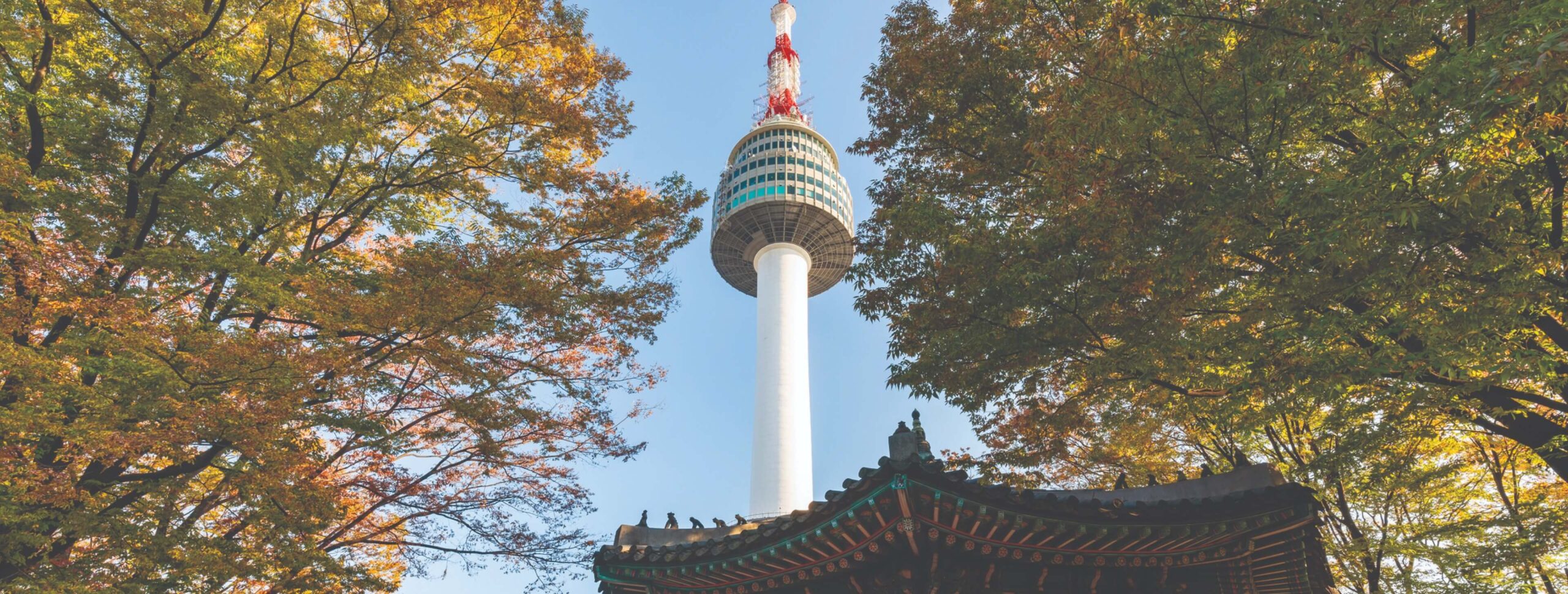
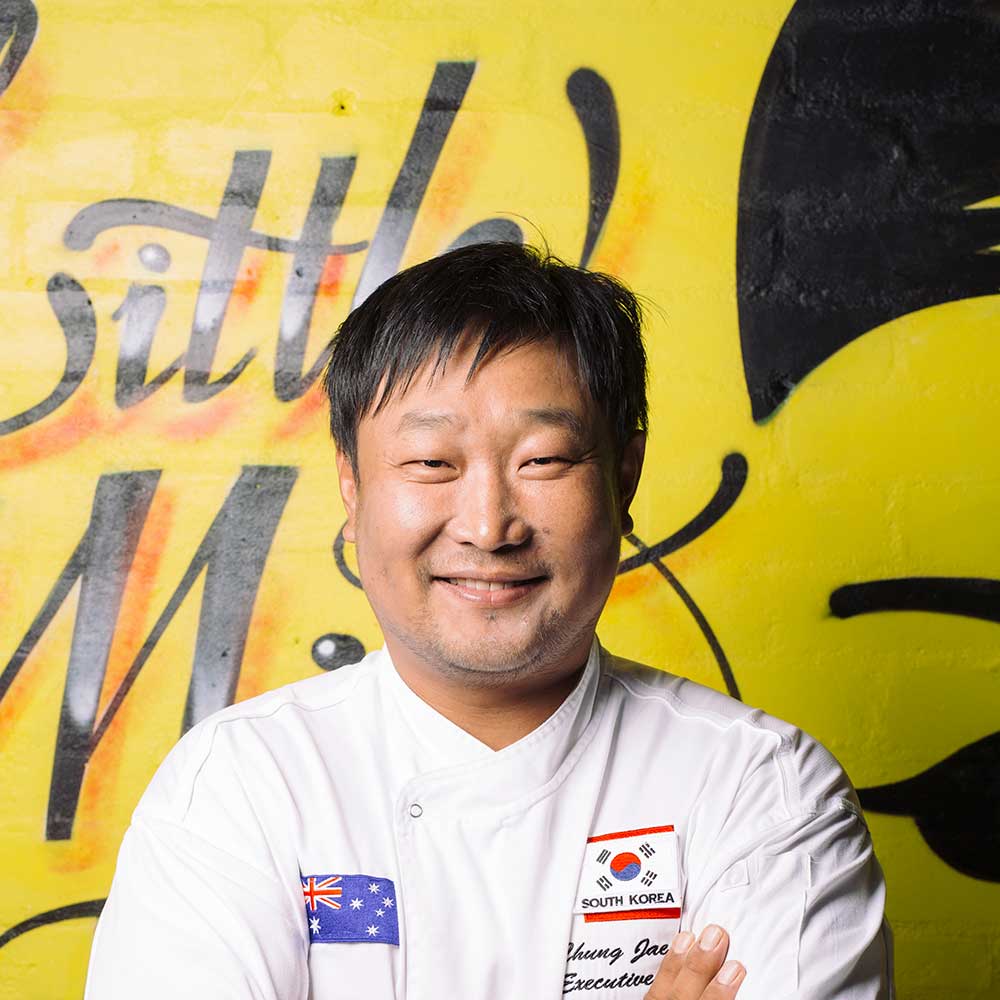
Originally from Seoul, Chef Chung Jae Lee is an award-winning chef, author and presenter who has become one of Australia’s most recognisable voices in Korean cuisine. A former professional judo athlete and pilot, his journey to the kitchen reflects the same discipline, curiosity and cultural pride that now define his cooking. He first earned national attention with Mapo in Adelaide, followed by Little Miss Korea in Darwin, named one of Australia’s Top 10 New Openings by Qantas and the Australian Financial Review, before opening Seoul Sisters and further shaping his reputation for vibrant, accessible Korean flavours.
Chung has appeared on SBS Food Safari, Everyday Gourmet with Justine Schofield and The Cook Up with Adam Liaw, and is the author of A Twist on the Traditional: Modern Korean Cuisine. Today, he continues to share Korean food and culture through his Korean Essentials product range, live demonstrations and curated culinary experiences, bringing warmth, humour and authenticity to every table.
Find him at chungjaelee.com.au


Contact Us

Make a Tour Enquiry
A tour caught your wanderlust?
We’ll send you all the details.

Ask a Question
We're here to answer all your questions.

Speak to Us
Talk to our friendly team.